

Do You See Any of These Issues in Your Child?
Kidlet offers a revolutionary approach that addresses both symptoms and their root causes backed by more than 50 years of research and development.
Sleep-disordered breathing can be associated with the following:


Sleep Problems
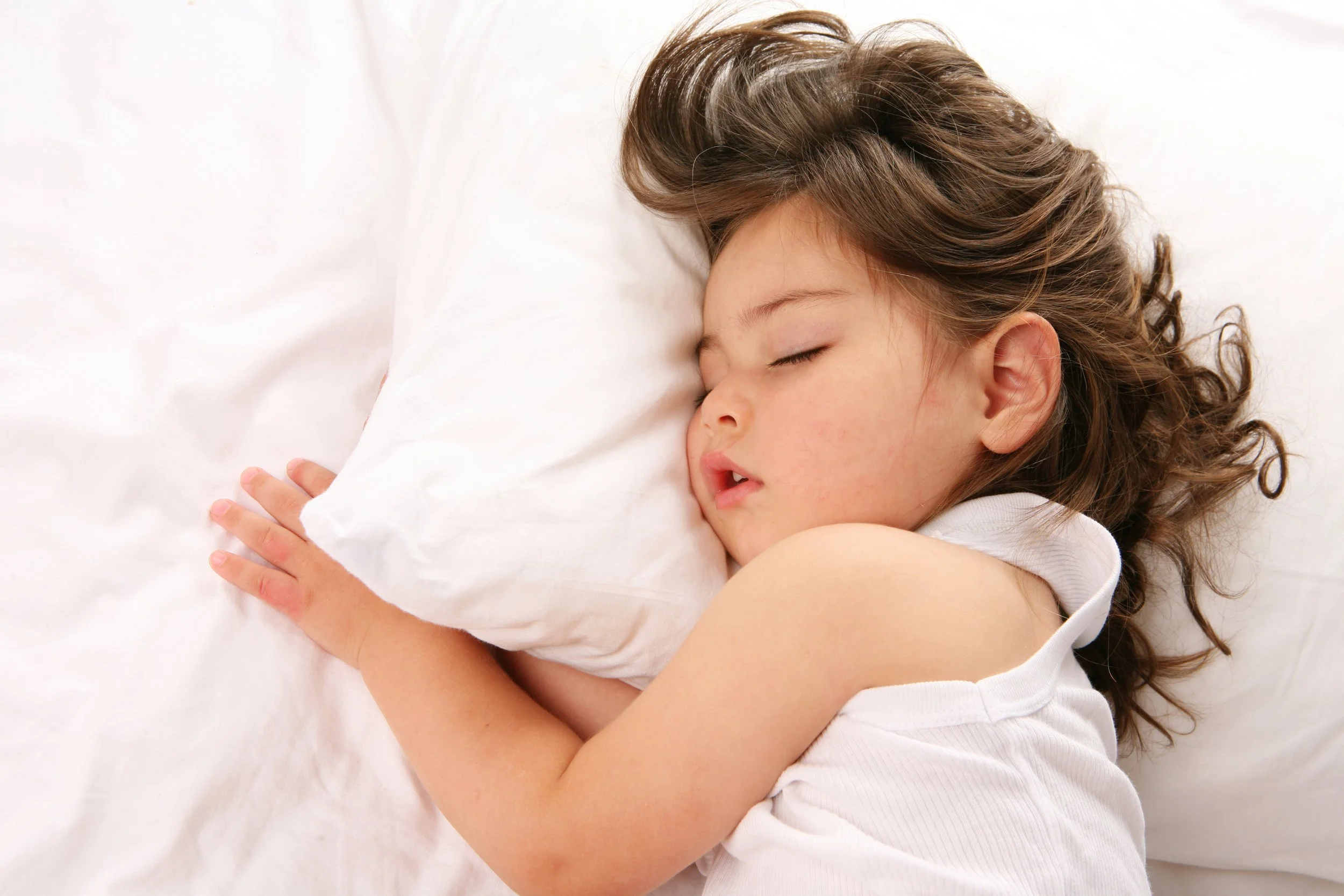
Children who struggle to breathe properly during sleep, a condition known as sleep-disordered breathing, often have interrupted sleep and may experience episodes of sleepwalking and talking without being fully awake. This can happen because their sleep is constantly disrupted, making it harder to get deep rest.
Sleep apnea, a common sleep disorder in children, involves pauses in breathing during sleep, leading to frequent disturbances in their rest. Factors like small jaw development, enlarged tonsils or adenoids, obesity, or certain medical conditions can contribute to this problem. Symptoms may include snoring, gasping for air during sleep, restlessness, and daytime sleepiness.
Getting the right diagnosis and treatment is important to improve sleep quality and reduce the risk of sleepwalking and talking episodes.


Academic Challenges
Academic challenges occur when children experience learning difficulties in school. These difficulties can include lack of focusing and difficulty sitting still. School subjects that are impacted tend to be math, science, and spelling. It is important to assess if breathing or sleep issues are present and can impact a child’s ability to learn in school.


Asthma
Having asthma and sleep-disordered breathing can make each other worse. If your child has asthma, they’re more likely to also have sleep apnea, where breathing is interrupted during sleep. This can lead to more frequent awakenings and difficulty breathing during the night, which can worsen asthma symptoms and cause more inflammation in the airways. On the other hand, sleep apnea can also worsen asthma symptoms by causing constant tiredness, reducing the lungs’ ability to exchange oxygen and carbon dioxide, and increasing oxidative stress. Treating both conditions properly is crucial for improving overall health and reducing the severity of symptoms.
Mouth Breathing
If your child often breathes through their mouth, it might indicate blocked airways. This can be linked to issues like snoring, sleep apnea, jaw problems, and poor bite, as well as difficulties with sleep, attention, and certain diseases. Unfortunately, these signs are often overlooked, leading to various health and behavioral issues.
Experts now believe that lack of sleep can mimic symptoms of ADHD. Some dentists and specialists are taking a new approach to treatment by focusing on the airways. They work on expanding the upper and lower arches of the mouth, which not only helps straighten teeth but also improves breathing. This treatment can also promote proper facial development and overall health. It’s important to address airway problems early in childhood to achieve the best results.

Is Kidlet Right for Your Child?
Discover if your child could benefit from Kidlet's innovative treatment in just a few minutes.
Memory (M) impairments have been suggested in pediatric Obstructive Sleep Apnea along with attention and executive (AE), language (L), and visuospatial (V) dysfunctions. NEPSY assessment of children aged 5-9 years who were either healthy.